
Stay on top of what happens at evo2b.
Subscribe to our newsletter:
You will receive first hand our new projects, publications in the media and possible partnerships.
You will receive first hand our new projects, publications in the media and possible partnerships.


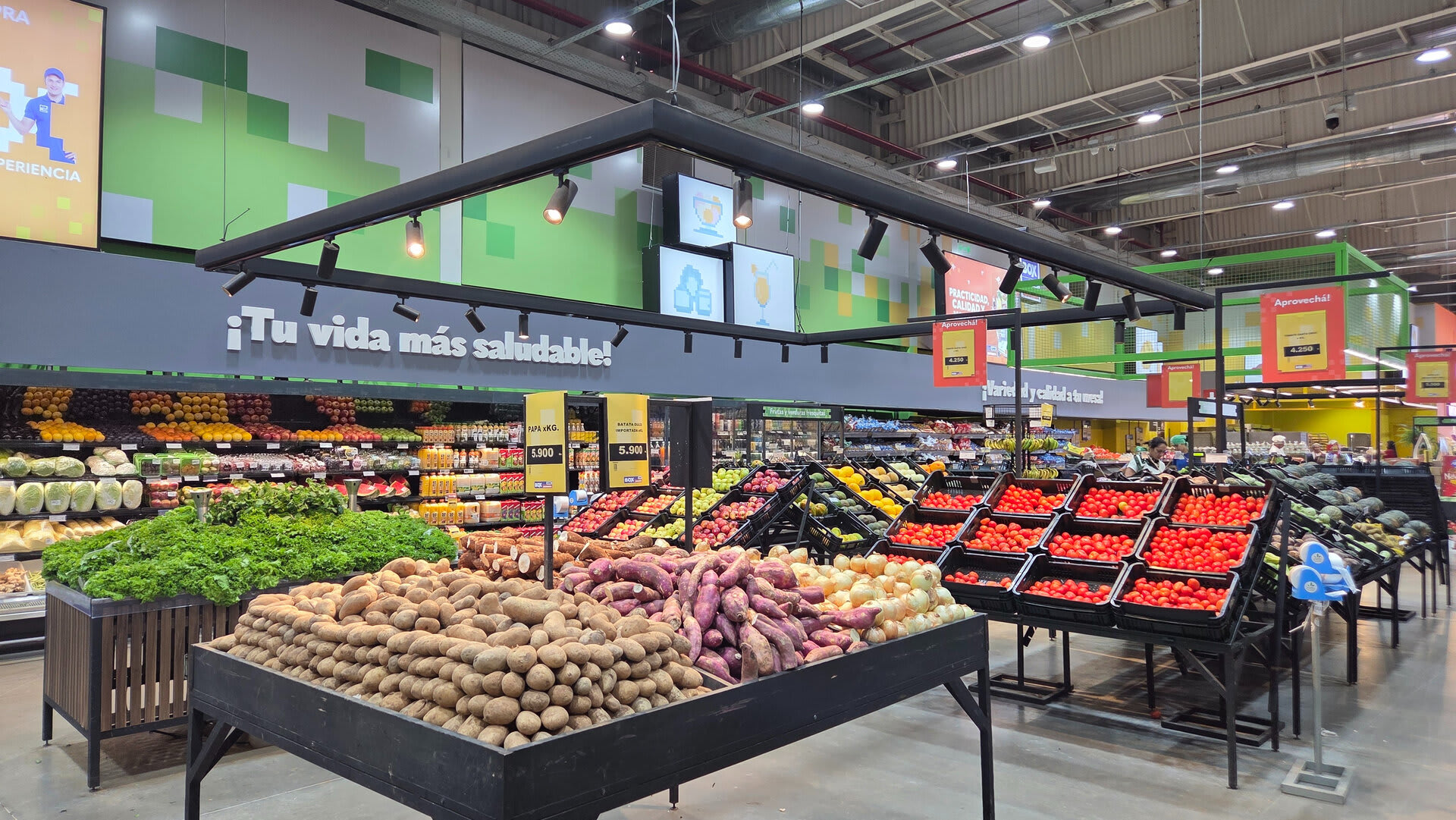
The layout of a store goes far beyond aesthetics or the simple organization of shelves; it is a conversion engine.
When designed with intention, space design shapes consumer behavior, extends dwell time and optimizes profitability per square foot.
1. The Art of Intelligent Departmentalization
Departmentalization is not just about grouping similar items together, it is about orchestrating the customer journey. A high-performance store guides visitors intuitively, creating a route that balances convenience and maximum product exposure.
Attraction Categories: Generate flow and invite entry.
Target Categories: Items that the customer is already actively searching for.
Pulse Categories: Strategically positioned on the path to generating extra sales.
2. Navigation and Cognitive Clarity
The experience begins at the first glance. From the storefront to the interior corridors, the environment must instantly answer three customer questions:
Where am I?
What do I find here?
Where should I go?
The lack of clarity generates decision fatigue, causing the customer to leave the store faster. A well-designed flow eliminates "dead zones" and distributes movement evenly throughout the plant.
3. Synergy and Cross-merchandising
The proximity between complementary products is a behavior induction tactic. By bringing together categories that "converse", the layout reduces consumer effort and naturally increases the average ticket, transforming an isolated need into a complete purchasing solution.
4. The Balance Between Experience and Operation
A successful layout is a binary system:
For the Customer: Fluidity, visibility and comfort (width of corridors and break points).
For the Retailer: Ease of replenishment, stock control and internal logistics.
In addition, the space needs to be flexible. Retail is dynamic, and the structure must allow for seasonal adjustments and mix changes without losing its fundamental logic.
Conclusion: In retail, layout is not decoration, it is behavioral design. Designing the space with a focus on the customer's journey means converting square meters into consistent results and transforming the visit into a fluid and profitable consumption experience.
